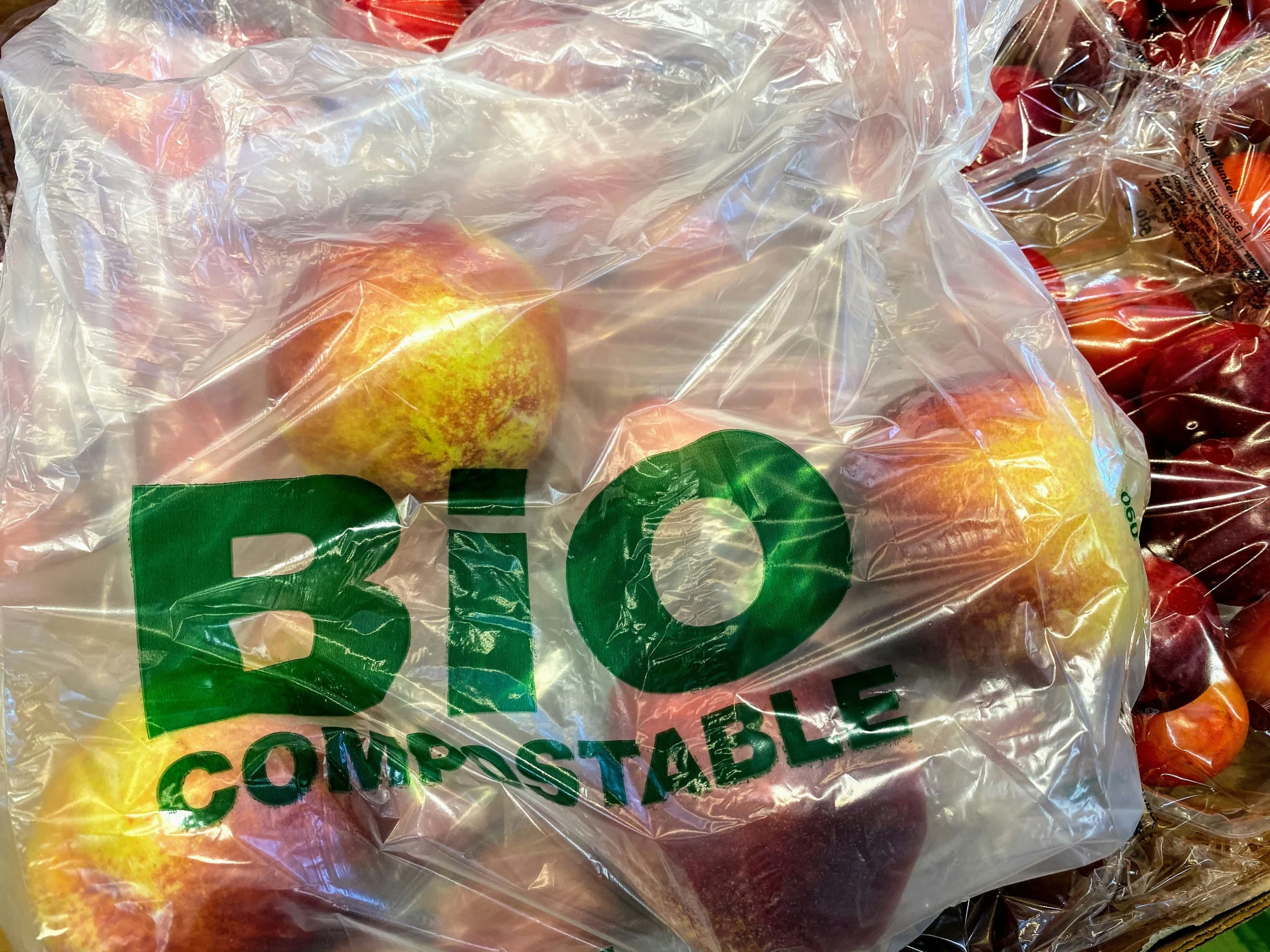
Calling a plastic biodegradable says very little unless the conditions are defined. Temperature, moisture, oxygen and microbial activity all affect whether biodegradation takes place and how far the process proceeds. A biodegradability test examines this process under controlled conditions by measuring oxygen consumption, carbon dioxide production or biogas production.
This article explains how to choose the right test environment and how biodegradability testing can support material development before external assessment or certification.
5 min read
What does a biodegradability test measure?
Regardless of the selected environment, a biodegradability test follows the biological conversion of a material by microorganisms under controlled conditions. The way this activity is measured depends mainly on whether oxygen is present.
During aerobic biodegradation, microorganisms consume oxygen and convert organic carbon into carbon dioxide, water and biomass. Biological activity can therefore be followed through oxygen consumption or carbon dioxide production.
Under anaerobic conditions, oxygen is absent and the process produces biogas containing methane and carbon dioxide. Measuring this gas over time allows the laboratory to calculate the rate and degree of anaerobic biodegradation.
Both approaches provide stronger evidence than appearance or weight loss alone. A plastic may become brittle, lose mass or fragment into smaller pieces without its carbon being fully converted by microorganisms.

Degradation and biodegradation are different
Visible damage, fragmentation and weight loss can show that a material is changing. A biodegradability test measures whether microorganisms are converting the material into products such as carbon dioxide, methane, water and biomass.
Choose the test based on the intended environment
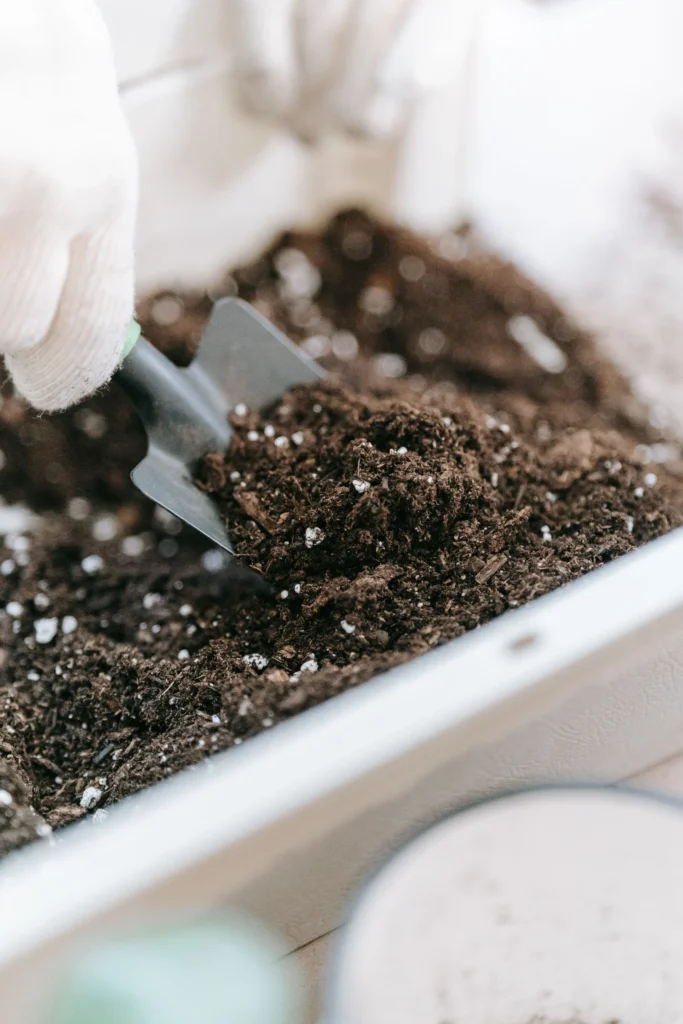
No single biodegradability test can show how a material will behave in every setting. A plastic that performs well under industrial composting conditions may show limited biodegradation in soil, freshwater or an anaerobic digester.
The expected end of life should guide the choice of method, as shown in the table below.
| Intended environment | Typical measurement | Example methods |
|---|---|---|
| Aerobic aqueous conditions | Oxygen consumption, carbon dioxide production or dissolved organic carbon removal | OECD 301, ISO 14851 |
| Soil | Oxygen consumption or carbon dioxide production | ISO 17556 |
| Controlled composting | Oxygen consumption or carbon dioxide production | ISO 14855, ASTM D5338 |
| Anaerobic digestion | Methane, carbon dioxide or total biogas production | ISO 15985, ASTM D5511 |
Results must remain connected to the conditions represented by the method. Performance under controlled composting conditions does not establish how the same material will behave in home compost, soil or freshwater.
Testing the same formulation under several conditions can still be useful during research and development, but each result should be reported separately and interpreted within the environment represented by the test.
Use biodegradability testing during material development
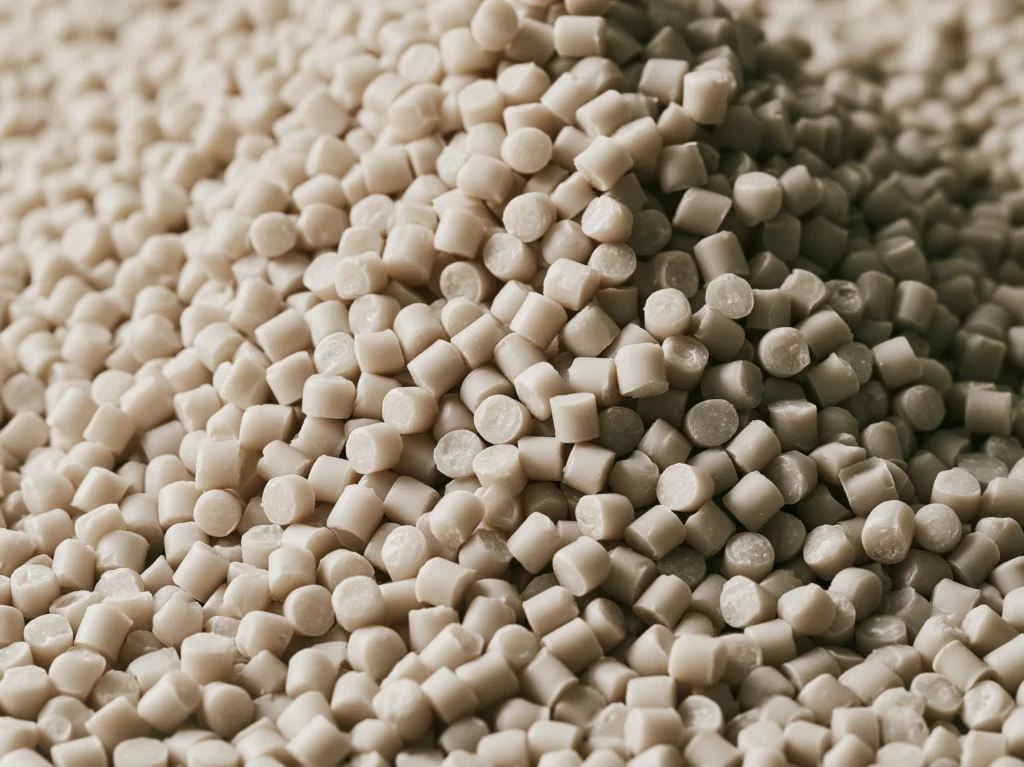
Biodegradability testing is most useful while the material can still be changed. During early research, laboratories may compare several polymers, additives, pretreatments or manufacturing conditions within the same experiment. The purpose is often to identify relative differences rather than support a final product claim. Running several samples in parallel allows development teams to compare more than the final biodegradation percentage. The complete degradation curve can show:
- How long it takes before biodegradation begins
- How quickly the material degrades
- Whether the degradation rate changes over time
- Which final conversion level is reached
- How consistent the result is between replicates
These differences can help researchers identify which formulation should move forward. A material with a shorter initial delay or a more consistent degradation curve may be more promising, even when several candidates reach a similar endpoint.
It’s important to add that testing should also continue beyond the base polymer. Finished products often contain additives, colourants, fillers, coatings and other components that can change how microorganisms interact with the material. A polymer may show good biodegradability on its own while the complete product behaves differently. Testing the final formulation helps development teams determine whether its components affect the initial lag phase, degradation rate or final level of biodegradation.
Once the strongest candidates have been identified, testing can move closer to a recognised method. The right method depends on the material, its expected disposal environment and the question the laboratory needs to answer. For substances intended for aerobic aqueous environments, this may include a ready biodegradability test.
Where does ready biodegradability testing fit?
A ready biodegradability test is a demanding aerobic screening method used to assess whether a substance can biodegrade rapidly in an aqueous environment.
OECD Test Guideline 301 contains six recognised methods. Depending on the method, biodegradation is measured through oxygen consumption, carbon dioxide production or dissolved organic carbon removal. Tests normally run for 28 days under defined laboratory conditions.
Passing a ready biodegradability test provides strong evidence that the substance can biodegrade rapidly under the conditions of the method. A result below the pass criteria does not establish that the substance will remain unchanged in every environment. It may degrade over a longer period or under different biological conditions.
The OECD 301 methods were developed primarily for chemicals. Their suitability for biodegradable plastics and polymers should be considered carefully, particularly when the sample is solid or poorly soluble.
Material thickness, particle size, shape and available surface area can all affect contact between the sample and the microorganisms. A method developed for soluble chemicals may therefore be unsuitable for some polymer products without careful consideration of the sample form and study objective.
For certain polymers and formulations, a ready biodegradability test can form part of the development programme. It should not be used as a universal test for every biodegradable plastic.
In-house testing or external laboratories?

The right approach depends on how often materials are tested and how the results will be used.
In-house testing gives polymer developers direct access to both the experiment and the data. New formulations can be evaluated without waiting for external laboratory capacity, and the next study can begin as soon as the results are reviewed. This is particularly useful for organisations working with several polymers, additives or product variations. Regular testing can become part of the development process rather than a final check performed after most formulation decisions have already been made.
External biodegradability testing laboratories remain important when accreditation, specialist expertise or certification is required. They may also be the more practical choice when materials are tested infrequently. Many organisations use both routes. Screening and method development take place internally, followed by external testing of the final formulation.
Automated biodegradability testing with BPC® Blue
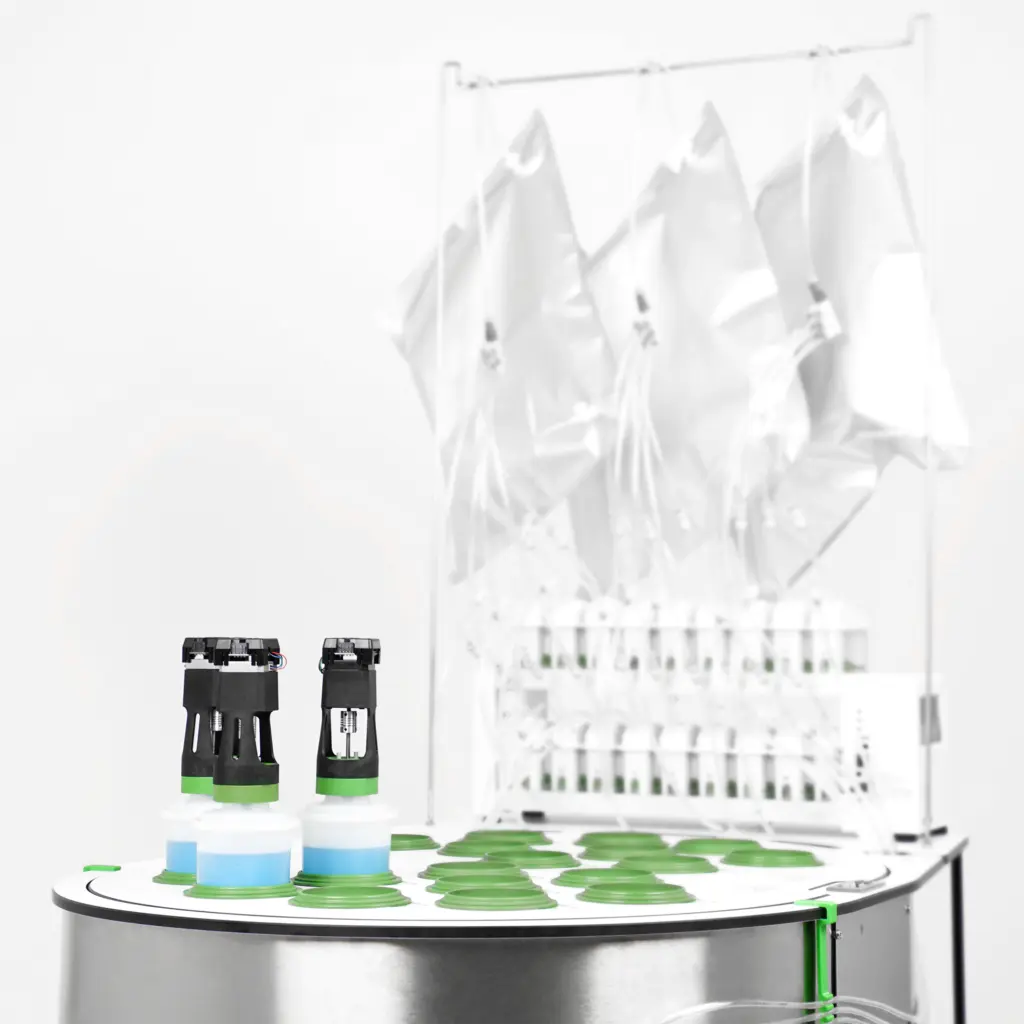
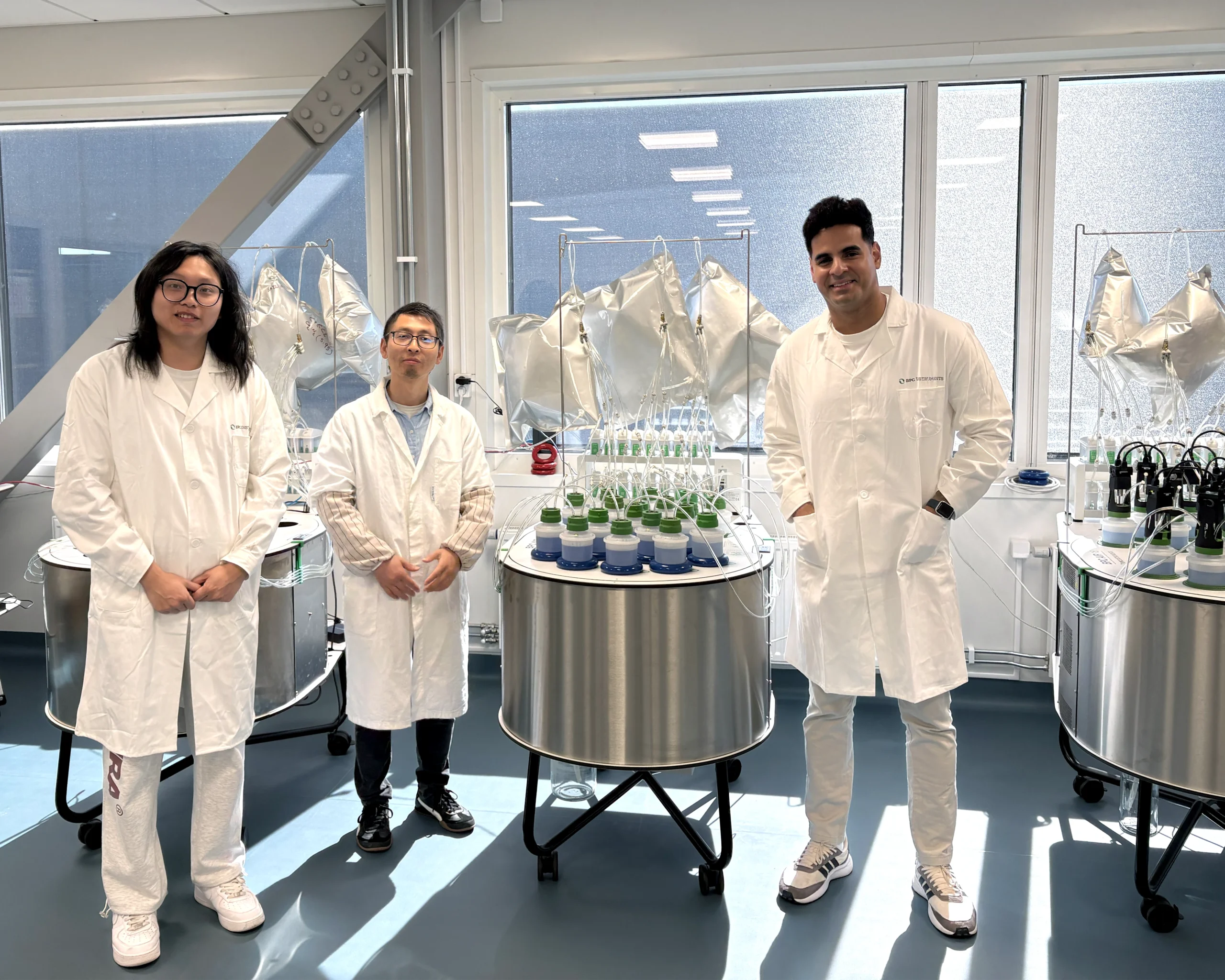
BPC® Blue helps laboratories bring aerobic and anaerobic biodegradability testing in-house. With 9 or 18 channels, researchers can run samples, controls and replicates in parallel while comparing several formulations under the same conditions.
Depending on the configuration and test setup, the system supports workflows based on methods including OECD 301, ISO 14851, ISO 17556, ISO 14855, ISO 15985, ASTM D5338 and ASTM D5511.
For polymer developers, research institutions and testing laboratories, BPC® Blue provides a practical platform for screening materials, refining test methods and preparing selected formulations for external assessment.
Test the material while it can still be improved
Biodegradability testing has the greatest value while the results can still influence material development. Early screening helps narrow the field of candidate formulations, while later studies prepare the selected material for external assessment.
Because biodegradability studies often run for weeks or months, consistency throughout the experiment also matters. Automated measurement, data collection and calculations reduce routine handling and help keep each sample under the same conditions throughout the experiment. This gives laboratories a more reliable basis for comparing materials and allows experienced staff to spend more time on method selection, sample preparation and interpretation.
When the material is ready for external testing, the development team can provide a clearer picture of its expected behaviour and the conditions under which it has been evaluated. This reduces uncertainty and supports a more informed discussion with the testing laboratory or certification body.

Reviewed by
Elton Melo, PhD
Technical Sales Manager

Biodegradability
Learn more about our solutions for biodegradability and bioplastics
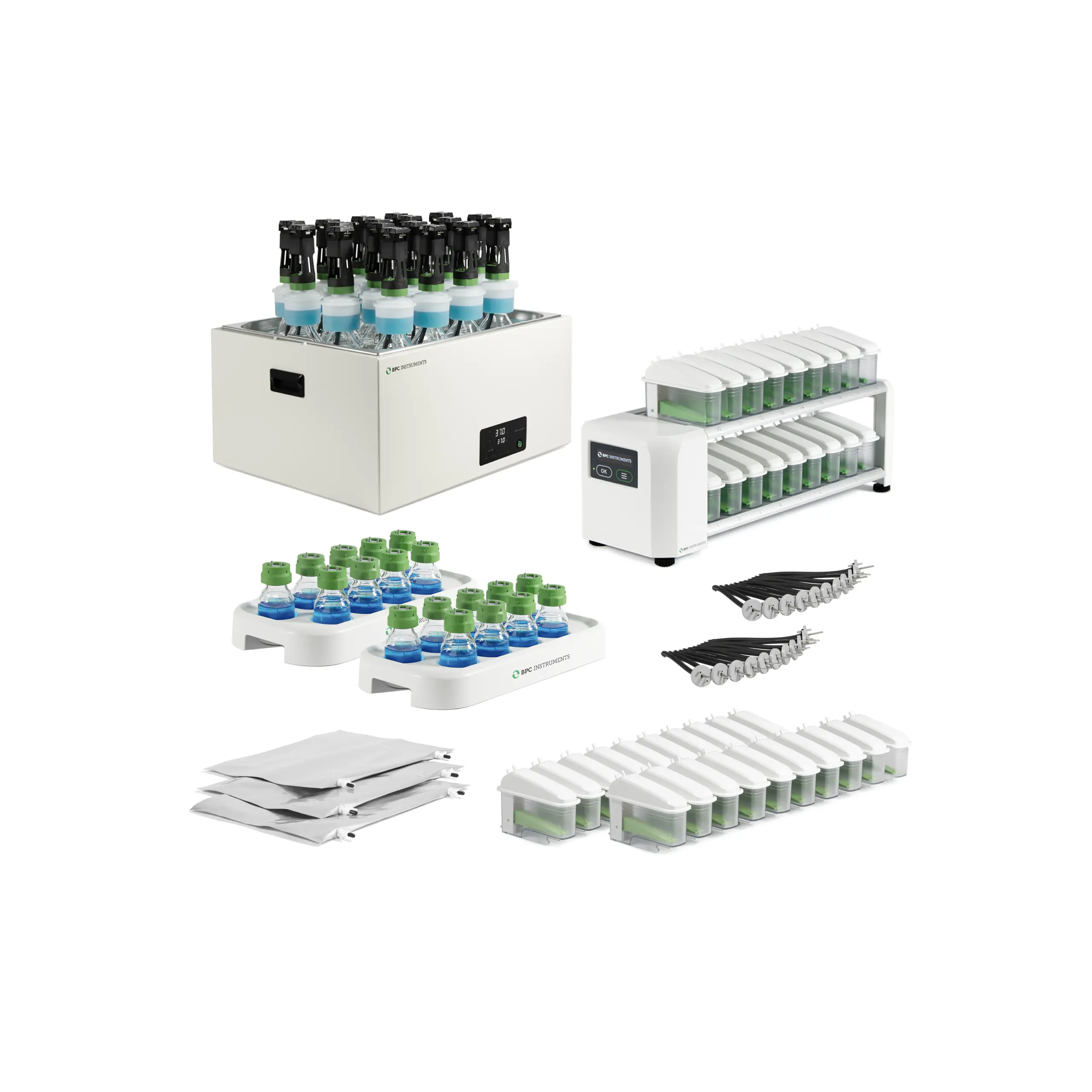
BPC® Blue
Analytical tool for biodegradability and compostability analysis