What can a pair of underpants tell us about soil?
Quite a lot, apparently.
The winners of the 2026 Ig Nobel Prizes were announced in Zurich yesterday, on 3 September. The awards celebrate research that first makes people laugh, then makes them think.
This year’s Soil Science Prize went to a project that enlisted 1,000 citizen scientists to bury cotton underwear at locations across Switzerland. Participants retrieved the underwear after one or two months. How much remained gave the researchers a simple measure of the biological activity in the soil.
3 min read
Proof by underpants
Each participant received two identical pairs of organic cotton underpants, together with teabags and instructions for collecting a soil sample. One pair was dug up after a month. The second remained underground for two months in total.
The researchers then examined how much of the cotton had decomposed.
Private gardens proved to be the most active environment, with around 58 percent of the fabric decomposed after two months. Lawns came last at approximately 40 percent. Agricultural fields and grasslands fell somewhere between the two.
Land use had the greatest effect on decomposition, although soil chemistry, temperature and moisture also mattered. The results broadly corresponded with the established Tea Bag Index, which uses buried teabags to study similar processes.
As a way to get people talking about soil, however, the underpants were difficult to beat.

What was happening below ground?
Cotton consists mainly of cellulose. For many soil organisms, this provides a source of carbon and energy.
As microorganisms break down the cotton, the fabric gradually disappears. Since participants buried the same type of underwear, differences in decomposition could be linked to the conditions and biological activity at each location.
The researchers were interested in the soil quality, with the disappearing cotton serving as their measuring tool. They combined the results with chemical soil analyses and data from the buried teabags to examine what influenced decomposition.
But there are limits to what a pair of underpants can reveal. The researchers found that their Underpants Index appeared to say more about soil fertility and decomposition activity than soil health in its broadest sense. It was intended as an accessible first look at what was happening beneath the surface.
Even so, a missing seat is a fairly convincing sign that the microorganisms have been busy.
A somewhat easier way to test materials
Laboratories developing new materials usually want to examine how the material itself behaves under controlled soil conditions.
Fortunately, that does not require sending samples to 1,000 volunteers, asking them to bury everything and waiting two months to see what comes back.
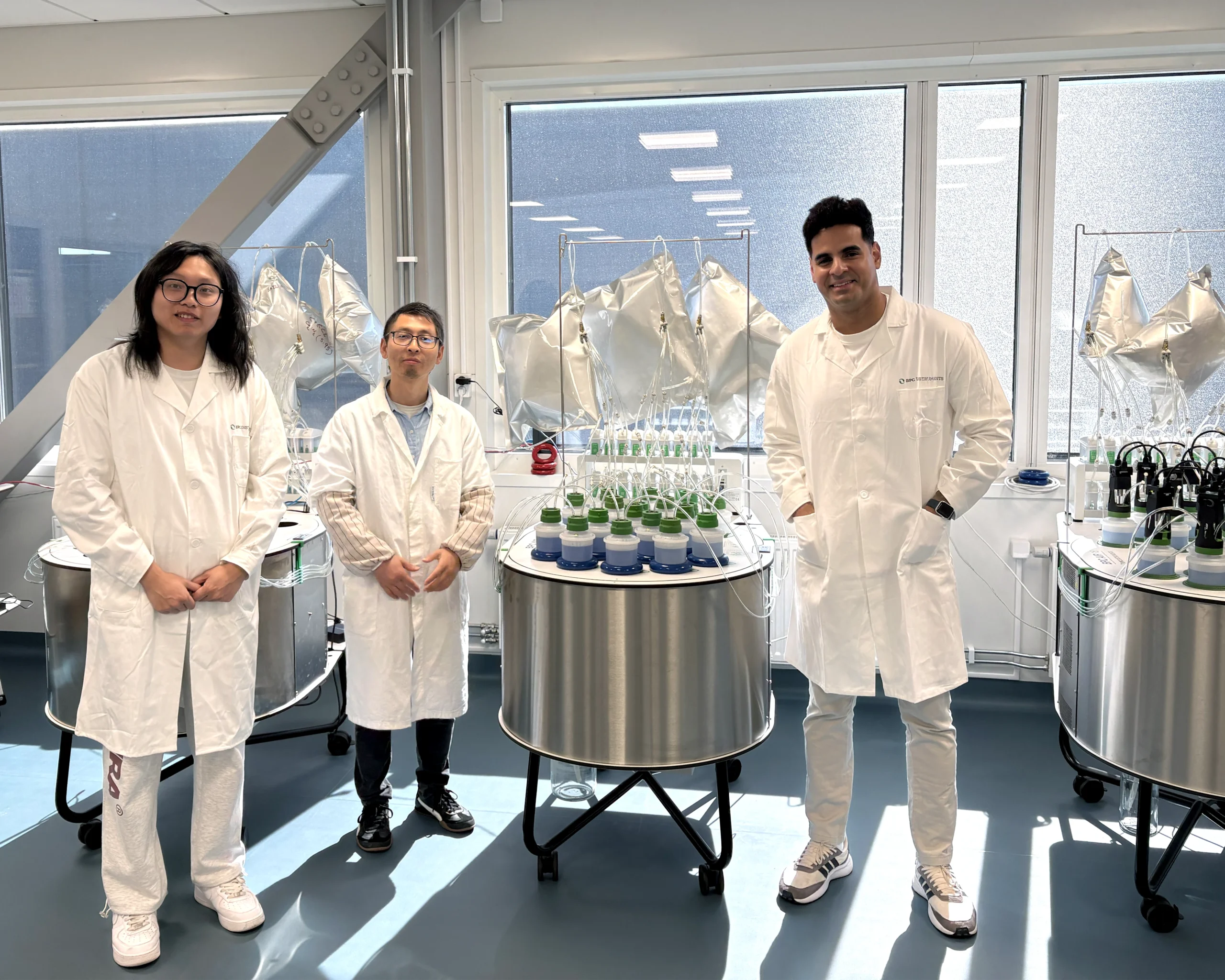
With BPC® Blue, the entire experiment can stay in the laboratory. For tests based on ISO 17556, a material is mixed with natural or standardised soil and kept under defined aerobic conditions. As microorganisms break down the sample, they consume oxygen.
BPC® Blue measures this oxygen consumption continuously. Researchers can follow when biodegradation begins, how quickly it progresses and when microbial activity starts to level off. Several materials, blanks and controls can be tested in parallel, with results calculated and recorded automatically throughout the experiment.
No nationwide underwear collection required.
Image credit: Nicolas Zonvi

Biodegradability
Learn more about our solutions for biodegradability and bioplastics
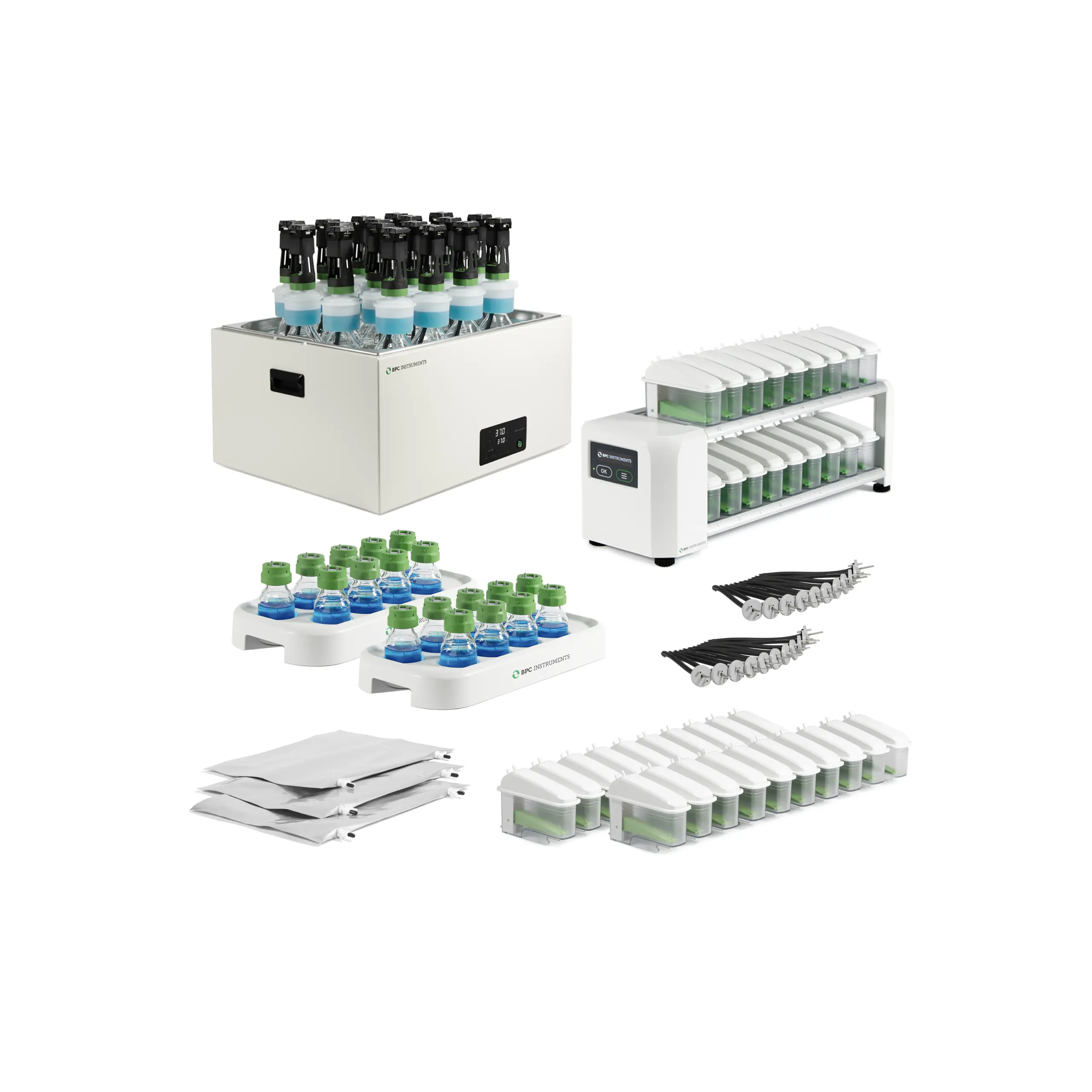
BPC® Blue
Analytical tool for biodegradability and compostability analysis