A new study from the University of Washington explores sustainable bioplastics from algae, including biodegradability evaluation and life cycle assessments.
Global efforts in developing sustainable bioplastics are increasing. One potential source of sustainable bioplastics is algae, specifically sugar kelp. Algal bioplastics from sugar kelp are naturally biodegradable, do not depend on agricultural feedstock and serve as an accessible alternative to polylactic acid (PLA).
Researchers from the University of Washington, United States, have evaluated the life cycle of algal bioplastics versus PLA in order to compare the full environmental impact of each plastic. The tests comprised evaluating the materials, including biodegradability analysis in seawater conditions.
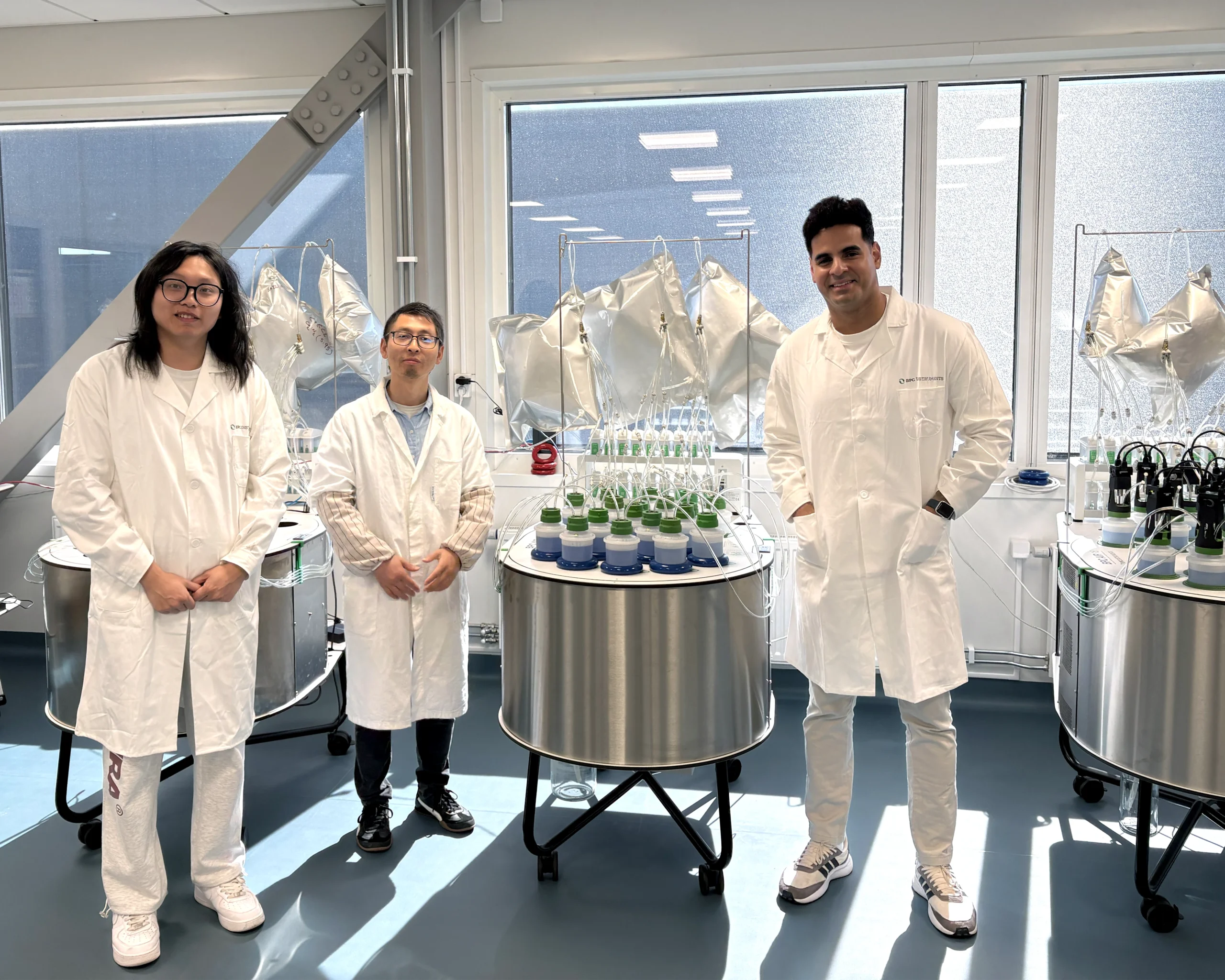
To evaluate biodegradability, tests were conducted in accordance with standard ISO 14851 (2019). Using natural seawater supplied by Seattle Aquarium as the inoculum, the researchers tested the aerobic biodegradability of the sugar kelp bioplastic using BPC Blue. The scientists then used this data, with additional data about different preparation methods, to perform life cycle assessments comparing the algal bioplastic to PLA.
The study demonstrated a high level of biodegradability of algal bioplastics in seawater (94% after 120 days). Furthermore, life cycle assessments showed a lower environmental impact of the sugar kelp bioplastics versus PLA at a laboratory scale. However, the bioplastic evaluated did not have a lower environmental impact on a larger scale, highlighting the need for life cycle assessments to be performed in early stages of sustainable plastic development.

Read the full paper in ACS Sustainable Chemical Engineering.
Biodegradability
Learn more about our solutions for biodegradability and bioplastics
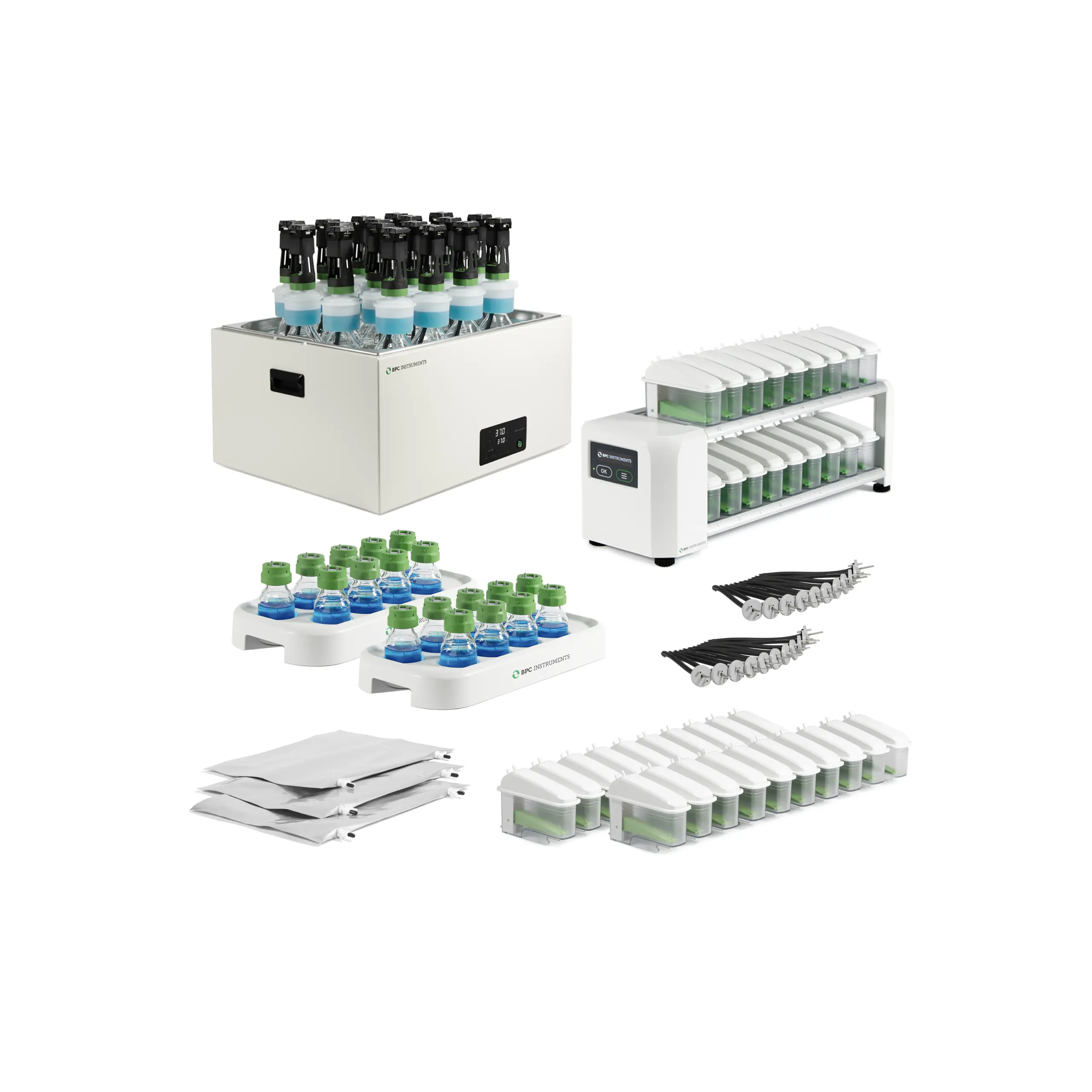
BPC® Blue
Analytical tool for biodegradability and compostability analysis