BPC® CSTR Bioreactors
Modular, robust CSTR and high-rate anaerobic bioreactors built using high-quality materials in order to meet the demands of biogas labs. Extremely user-friendly, they are the ideal experiment platforms for simulating anaerobic fermentation processes at laboratory scale.
- Leakage resistant
- 2.0 to 20 L volumes
- Flexible modular design
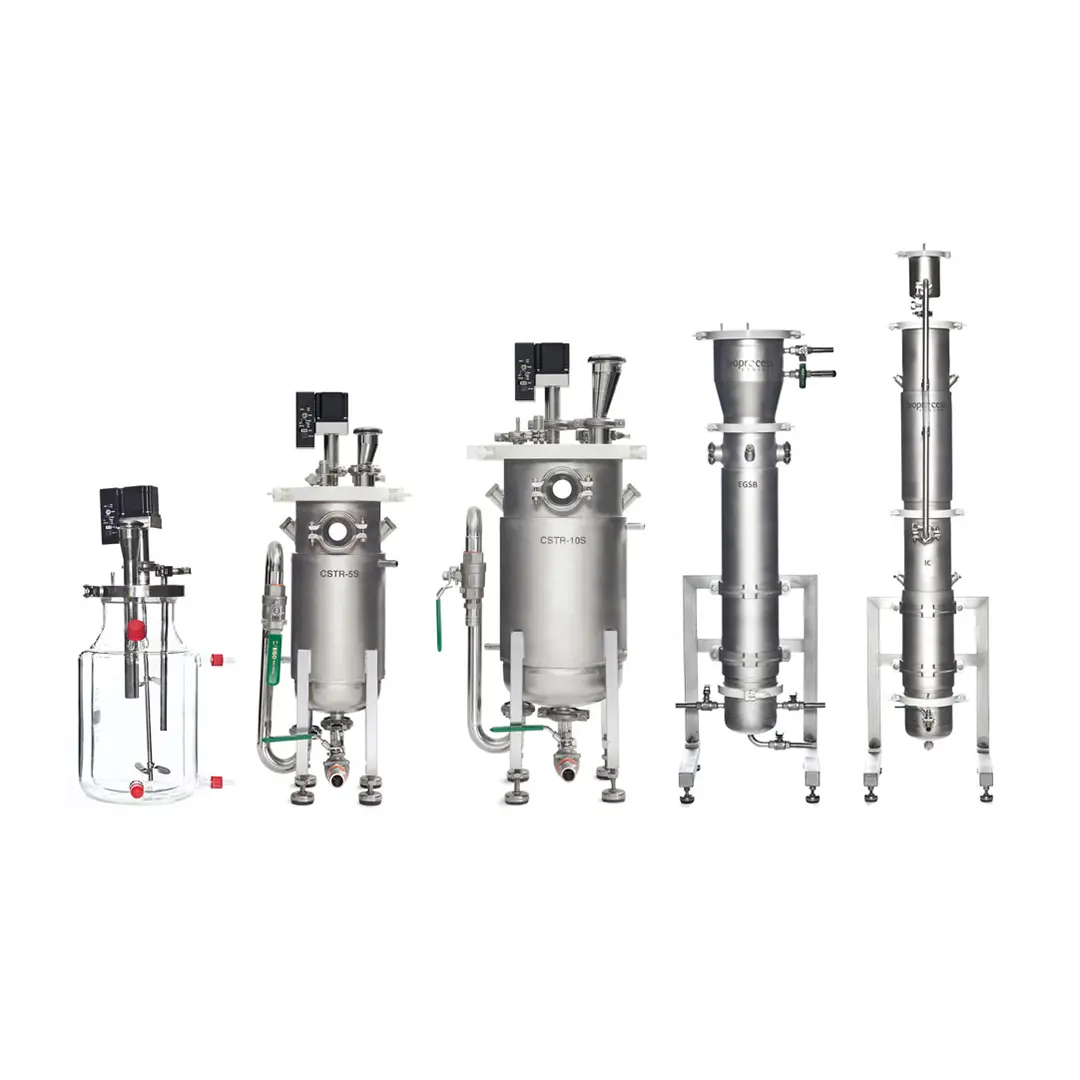
Modular bioreactors to fit your anaerobic digestion needs
Choose from three continuous stir tank reactors (CSTR) size options (2, 5 and 10 litres) and three different configurations in glass (G) or stainless steel (S) (CSTR-5G, CSTR-5S, CSTR-10S). BPC’s CSTR are built specifically for the most demanding biogas and biofuel applications.
For high-rate anaerobic digesters, we offer two different reactor configurations (UASB or EGSB-20S, IC-20S). All anaerobic digesters are built using corrosion-resistant and durable stainless steel for long-term operation.
These CSTR bioreactors can be used for both continuous and batch-mode experiments, giving researchers flexibility when developing and comparing anaerobic digestion processes.
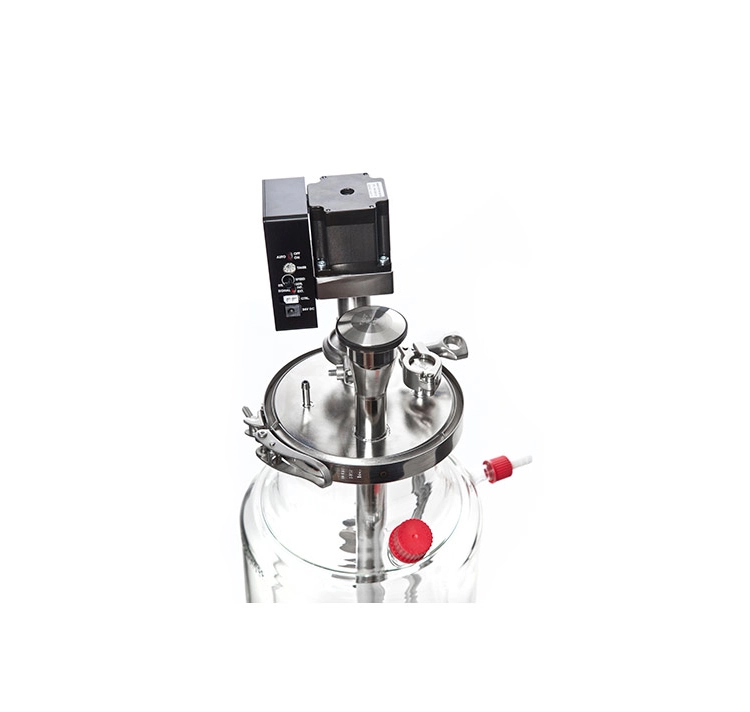
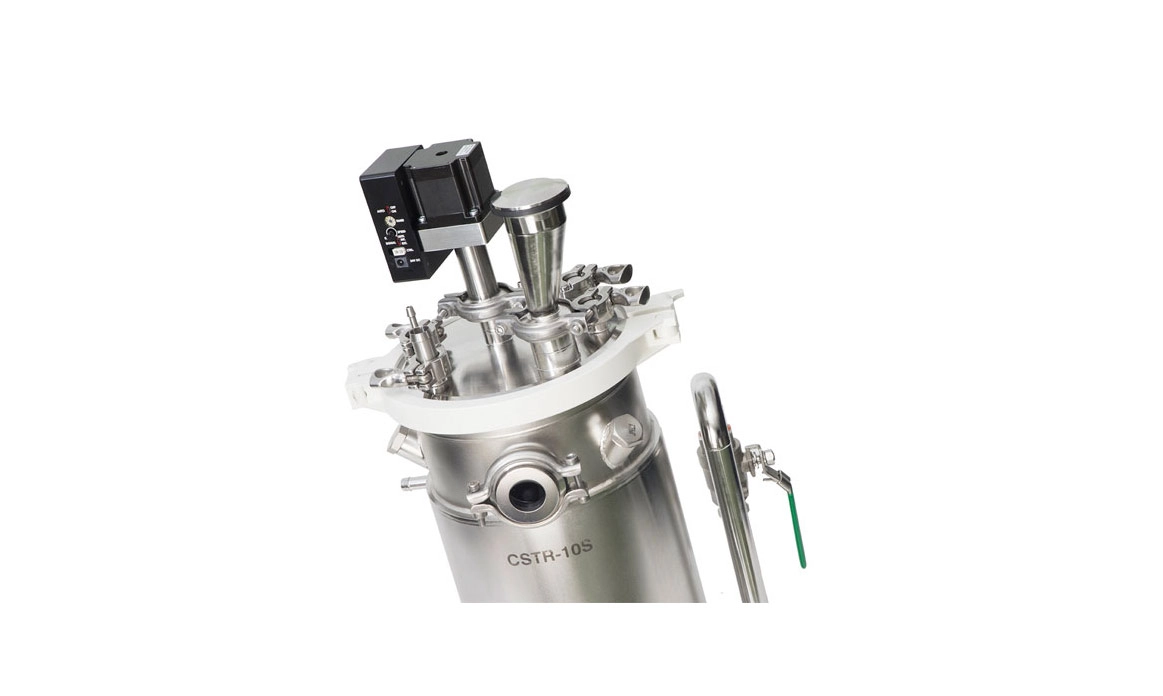
Simulate biogas production processes
Easy assembly and maintenance


Each CSTR bioreactor has standard connection points, allowing for easy assembly, disassembly and maintenance. Instruments can be operated in standalone or connected in a series depending upon requirements.
This makes the CSTR reactor suitable for testing different substrates and operating conditions in anaerobic digestion studies.
Adapted for low and high solid content
All CSTR bioreactors are adapted for feedstocks with either low- or high-solid content and have excellent sealing under anaerobic conditions, using a robust tri-clamp system. The reactors offer a self-discharging port for digested slurry with automatic slurry level control.
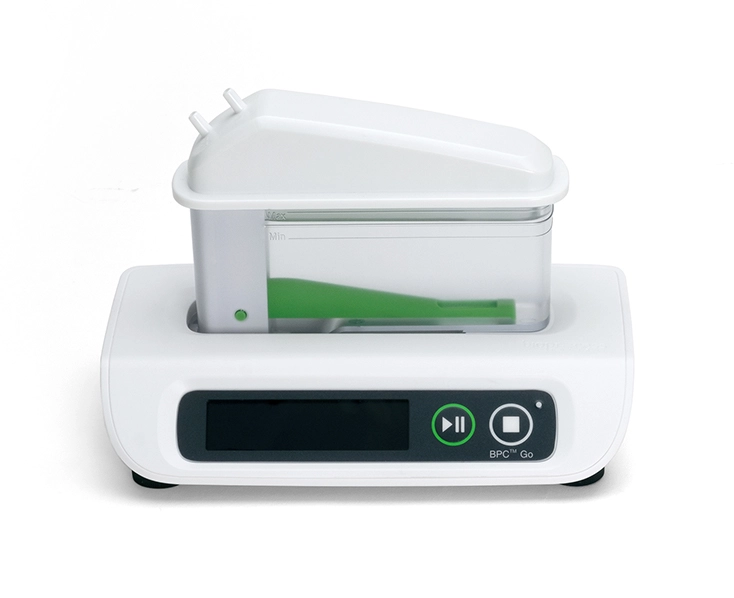
Each CSTR, UASB / EGSB and IC bioreactor is fully compatible with the BPC® Go for measuring gas flow in simulated biological fermentation processes.
Unique wall jacket design
The unique wall jacket configuration allows for independent heating or cooling. Precisely control the temperature of the bioreactors using circulated heated or cooled water continually through the wall jacket that covers the entire side of the reactor.
Viewing port for complete control
Each CSTR and UASB / EGSB bioreactor has two viewing ports on opposite sides allowing for visual inspection of the process. This allows for monitoring of a continuous process via key parameters such as gas flow, pH and temperature, and to detect foam formation during the AD process.

“The design of gas, liquid and solid in/outlets are suitable for our experimental needs. No blockage issue has ever been experienced. We are fully satisfied by BPC’s pilot scale solution, it earns us some envious looks from colleagues.”
LAËTITA CARDONA & OLIVIER CHAPLEUR
MICROBIAL ECOLOGY OF ANAEROBIC DIGESTION, IRSTEA, FRANCE

Get a Quote
Within 24 Hours
Request a quote from our sales team for optimised set-ups and process monitoring.
Trusted by laboratories, research institutes and industrial customers worldwide










Technical Specifications
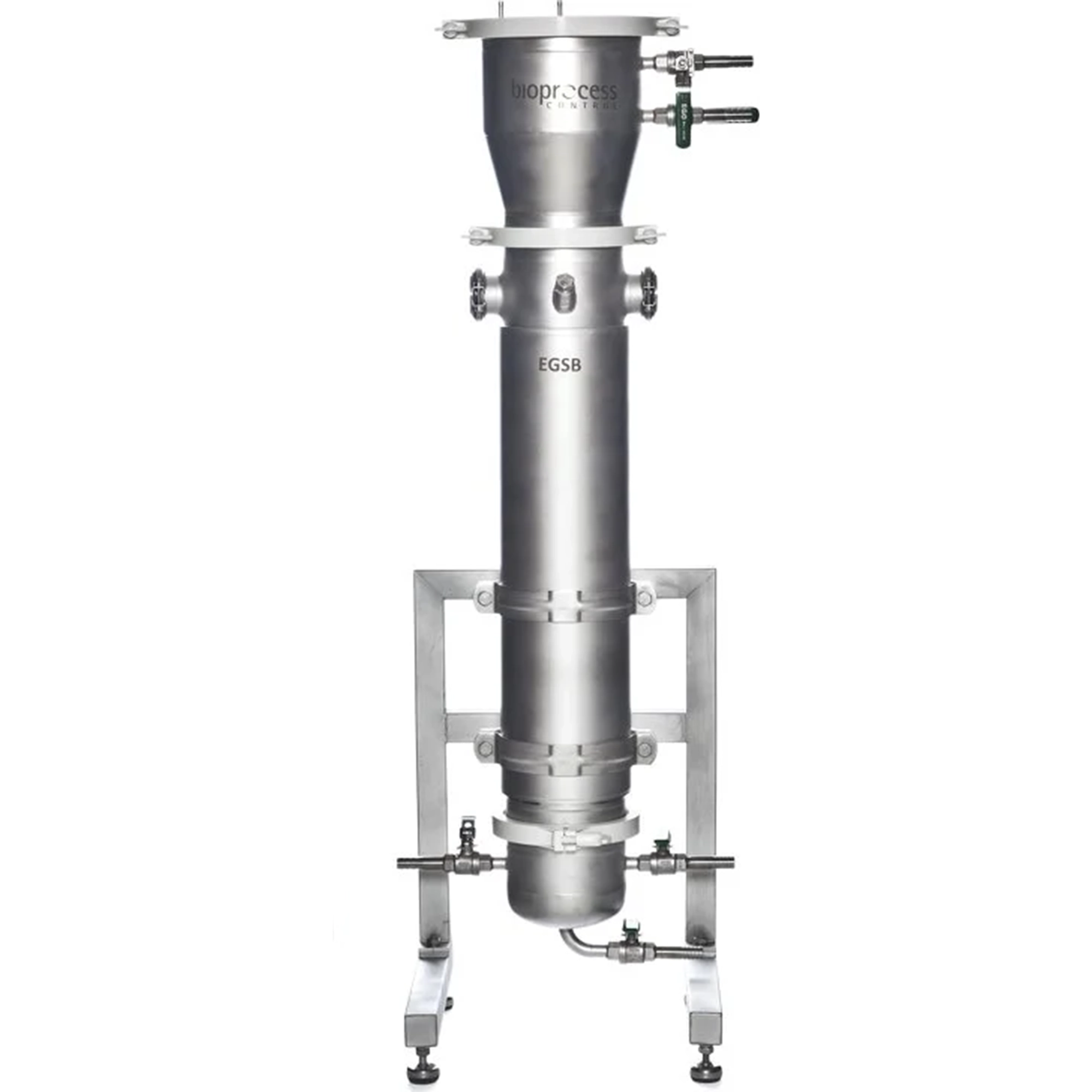
UASB/EGSB-20S
Upflow anaerobic sludge blanket (UASB) / expanded granular sludge blanket (EGSB) reactor with a volume of 20 litres. The design is modular and is easily mounted on the included frame. Contains two sight glass windows for easy viewing and two sampling ports for on-line process monitoring
Reactor type
Upflow Anaerobic Sludge Blanket (UASB) and Expanded Granular Sludge Blanket (EGSB) reactor
Volume
20 L
Materials
High quality stainless steel (AISI 316)
Design
Modular design for easy installation and maintenance
Viewing ports
Two sight glass windows for visualisation
Sampling ports
Two sampling ports reserved for on-line process monitoring
Support frame
Self-supporting frame in stainless steel for easy system setup
Temperature control
External thermal circulator
Dimensions
150 x 60 x 60 cm
Weight
22 kg
Usage
Indoors
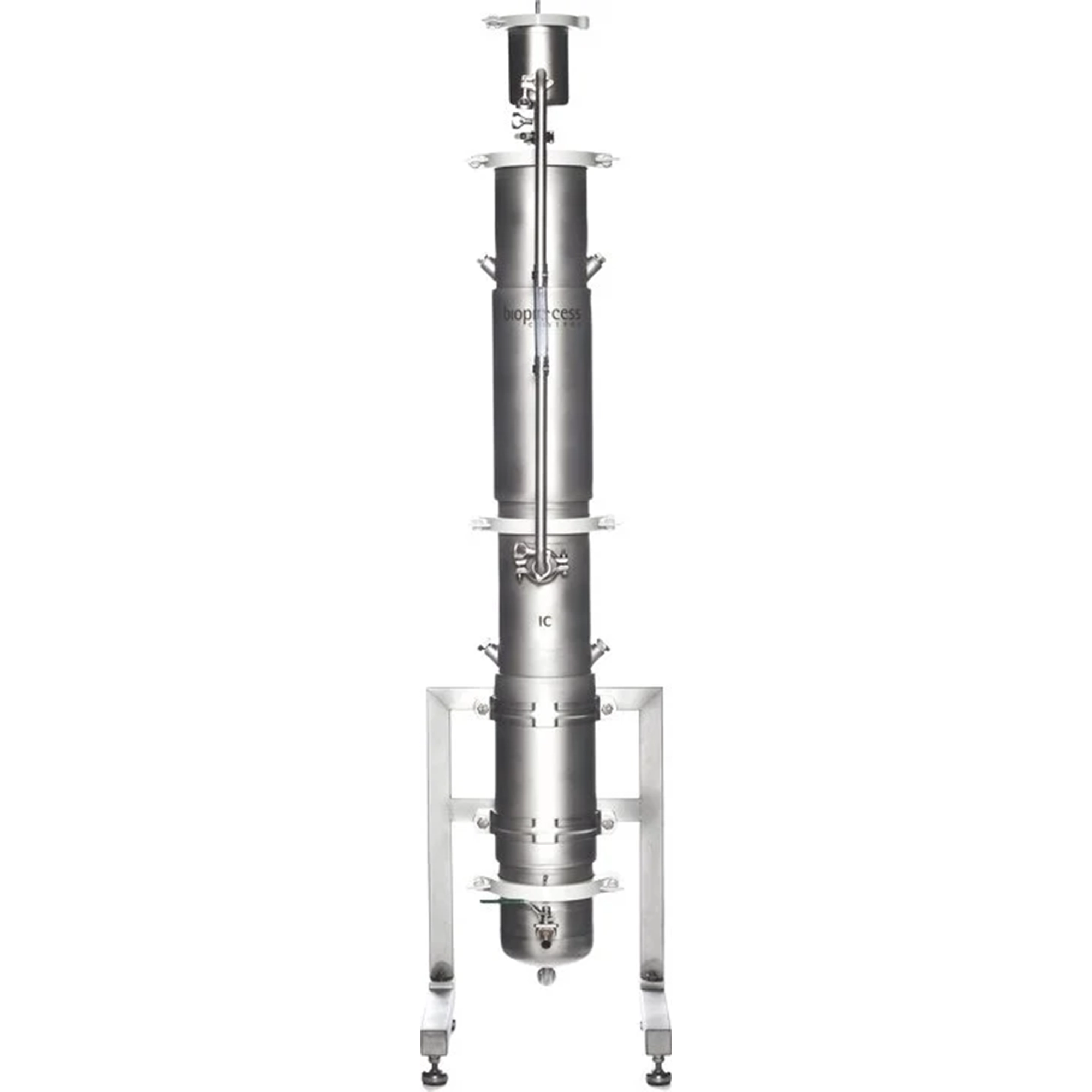
IC-20S
Internal circulation reactor with a volume of 20 litres, made in stainless steel. The design is modular and is easily mounted on the included frame. Contains four sampling ports for on-line process monitoring
Reactor type
Internal Circulation (IC) reactor
Volume
20 L
Materials
High quality stainless steel (AISI 316)
Design
Modular design for easy installation and maintenance
Sampling ports
Four sampling ports reserved for on-line process monitoring
Support frame
Self-supporting frame in stainless steel for easy system setup
Temperature control
External thermal circulator
Dimensions
180 x 50 x 50 cm
Weight
25 kg
Usage
Indoors
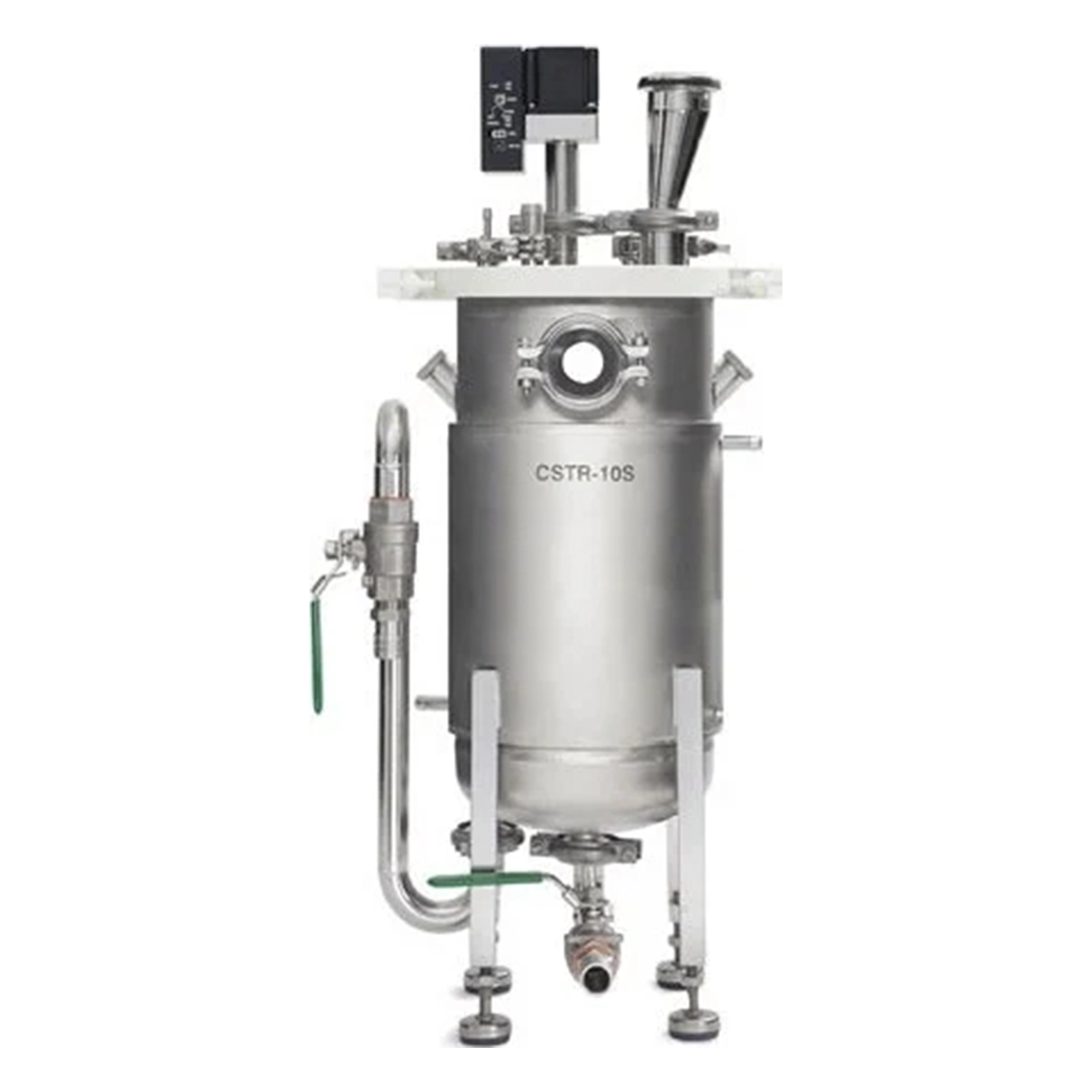
CSTR-10S
The CSTR bioreactors have a modular design, built with high-quality materials and robustness in mind. Intended for anaerobic fermentation tests, both for continuous and batch mode operations.
Reactor type
CSTR
10 L
Materials
High quality stainless steel (AISI 316)
Reactor mixing
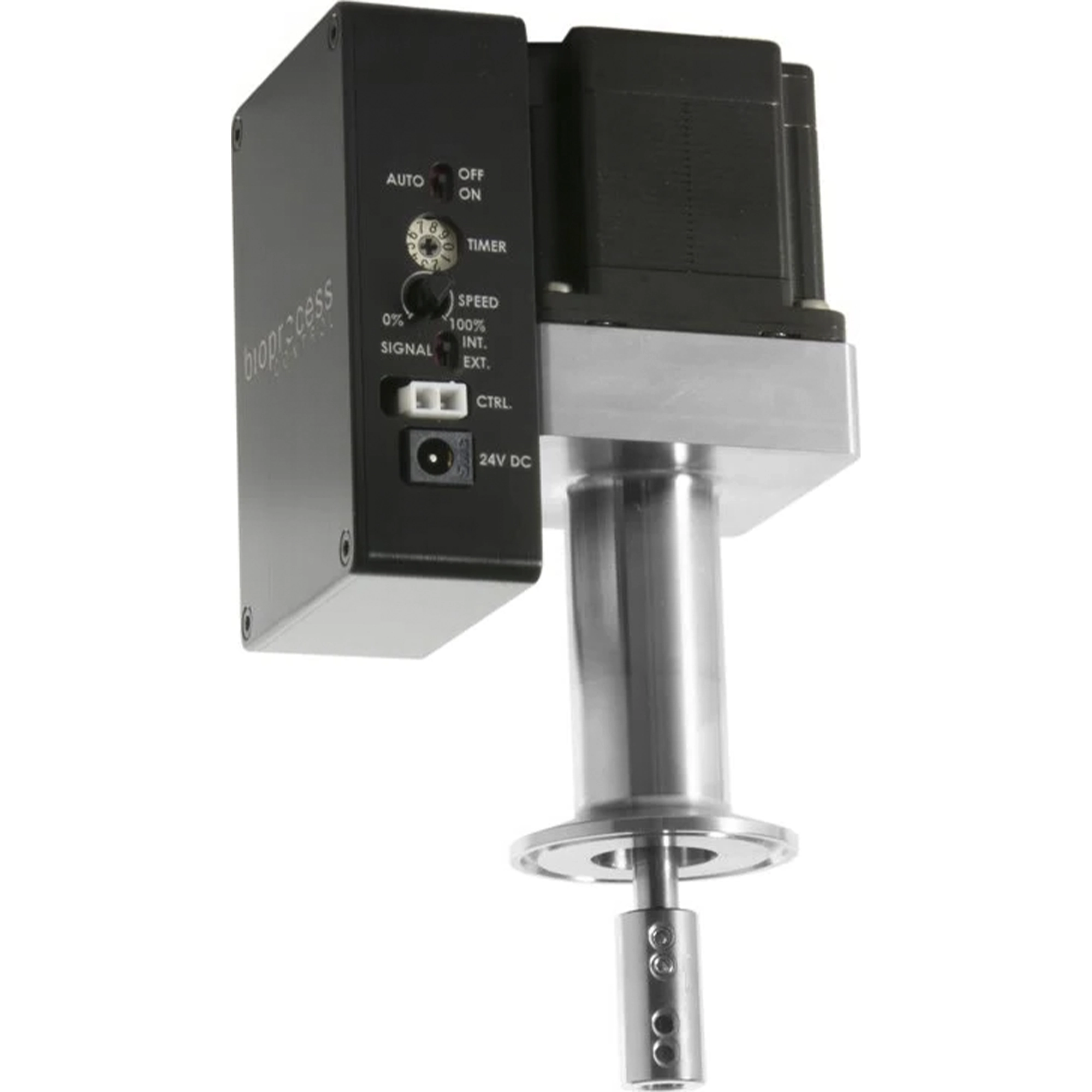
Multifunctional agitation system with brushless DC motor for long-life operation. Remote speed and on/off control via analogue voltage signal (0-12 VDC). Manually adjustable speed, direction and time interval, as well as timer function to set time periods for reversal. Modular design for low maintenance.
Rotation speed
15 – 300 rpm
Support frame
Self-supporting frame in stainless steel for easy system setup
Temperature control
Dimensions
77.5 x 32.5 cm
Weight
16.5 kg
Usage
Indoors
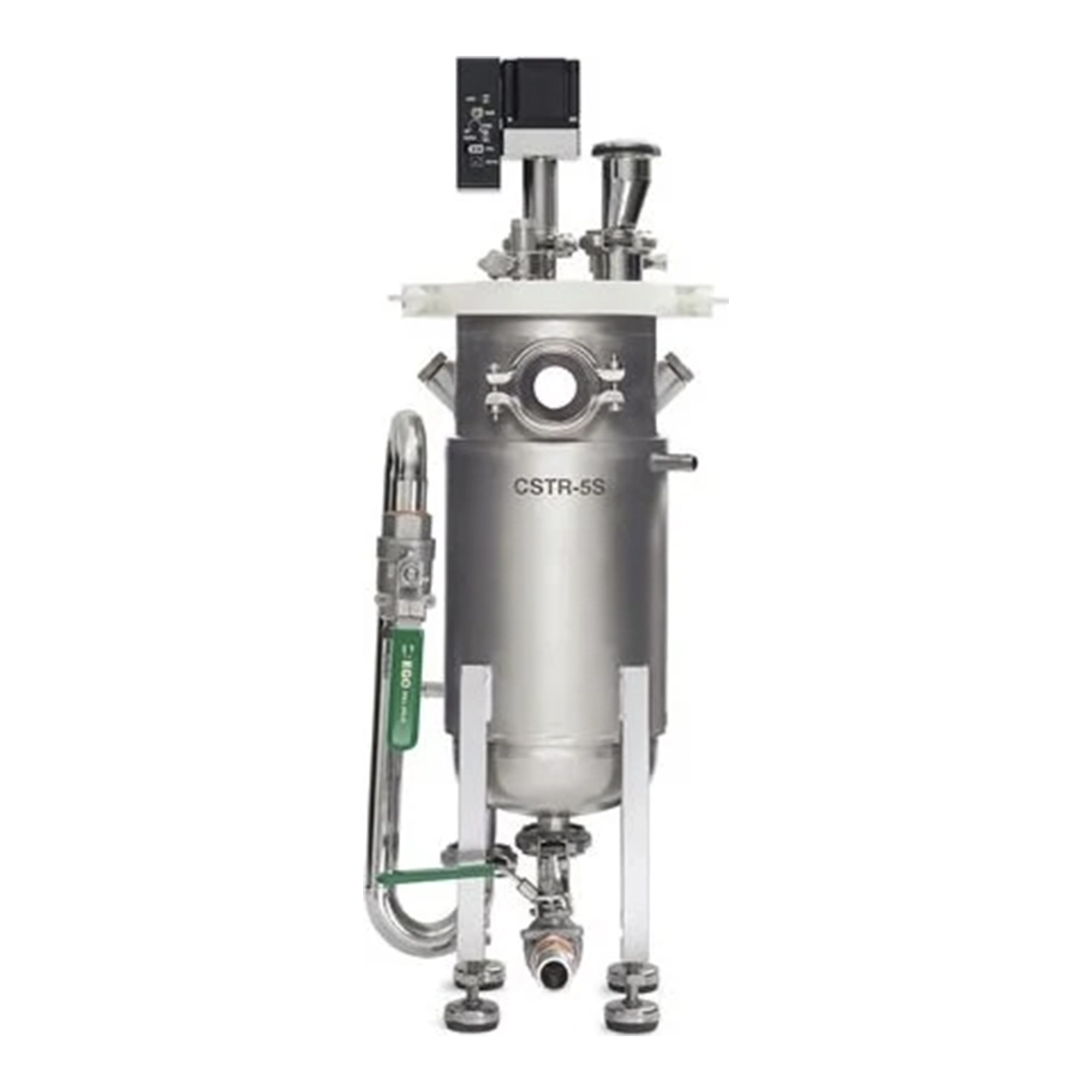
CSTR-5S
The CSTR bioreactors have a modular design, built with high-quality materials and robustness in mind. Intended for anaerobic fermentation tests, both for continuous and batch mode operations.
Reactor type
CSTR
Volume
5 L
Materials
High quality stainless steel (AISI 316)
Reactor mixing
Multifunctional agitation system with brushless DC motor for long-life operation. Remote speed and on/off control via analogue voltage signal (0-12 VDC). Manually adjustable speed, direction and time interval, as well as timer function to set time periods for reversal. Modular design for low maintenance.
Rotation speed
15 – 300 rpm
Support frame
Self-supporting frame in stainless steel for easy system setup
Temperature control
External thermal circulator
Dimensions
74.5 x 28.5 cm
Weight
16.5 kg
Usage
Indoors
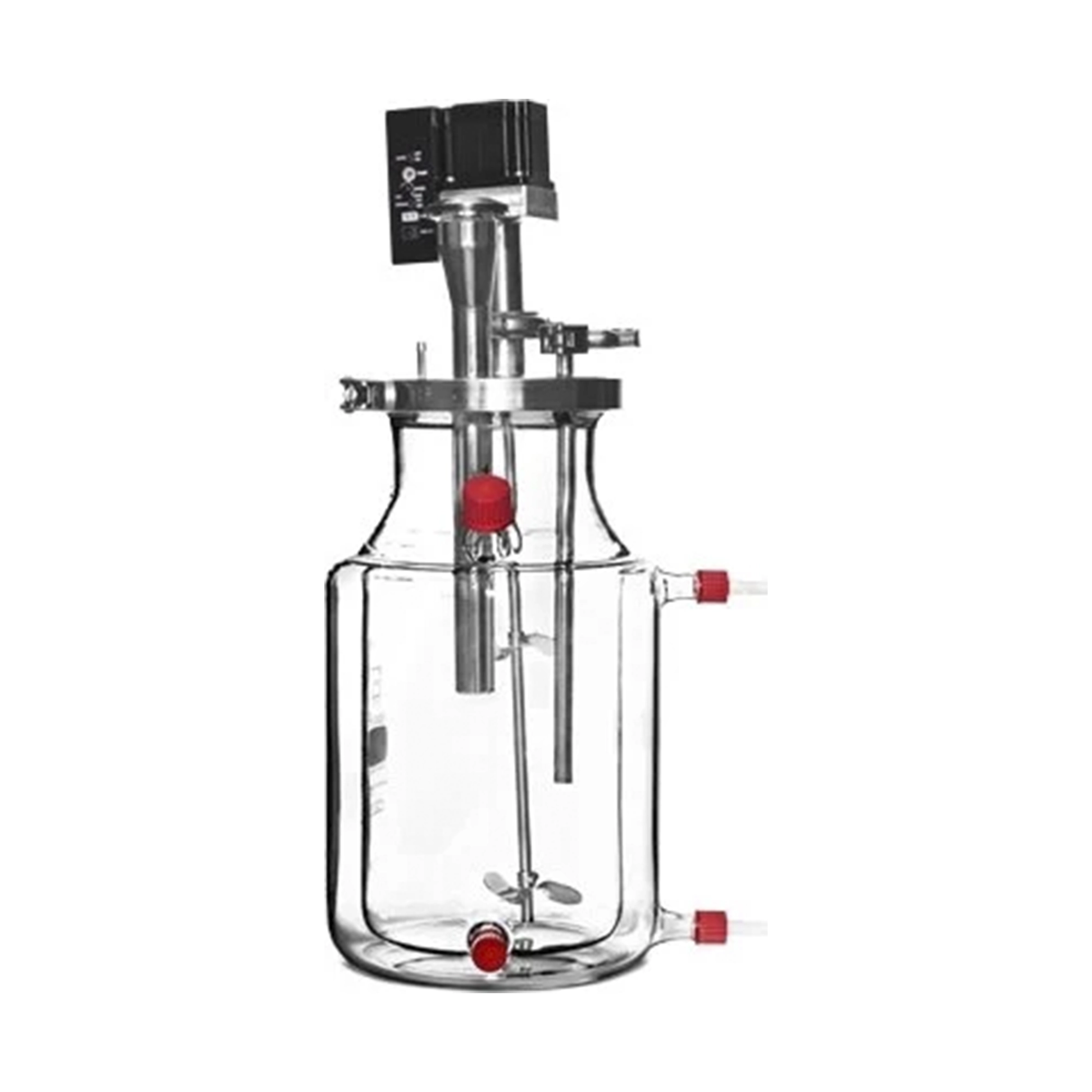
CSTR-5G
The CSTR bioreactors have a modular design, built with high-quality materials and robustness in mind. Intended for anaerobic fermentation tests, both for continuous and batch mode operations.
Reactor type
CSTR
Volume
5 L
Materials
High quality glass (reactor body), high quality stainless steel (AISI 316) (lid)
Reactor mixing
Multifunctional agitation system with brushless DC motor for long-life operation. Remote speed and on/off control via analogue voltage signal (0-12 VDC). Manually adjustable speed, direction and time interval, as well as timer function to set time periods for reversal. Modular design for low maintenance.
Rotation speed
15 – 300 rpm
Temperature control
External thermal circulator
Dimensions
38 x 24 cm
Weight
7.8 kg
Usage
Indoors
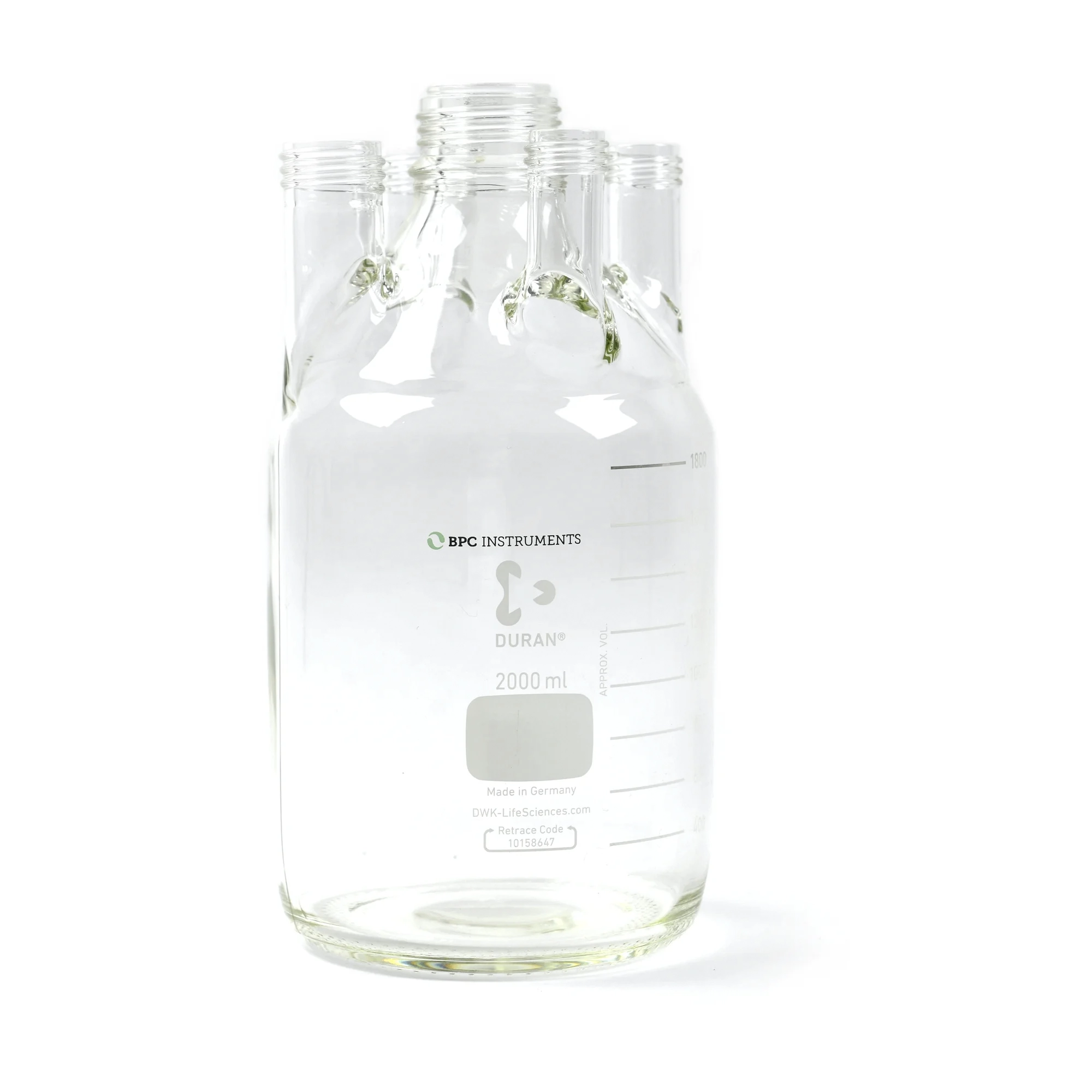
CSTR-2G
The CSTR bioreactors have a modular design, built with high-quality materials and robustness in mind. Intended for anaerobic fermentation tests, both for continuous and batch mode operations.
Reactor type
CSTR
Volume
2 L
Materials
High quality glass (reactor body), high quality stainless steel (AISI 316) (lid)
Reactor mixing
Multifunctional agitation system with brushless DC motor for long-life operation. Remote speed and on/off control via analogue voltage signal (0-12 VDC). Manually adjustable speed, direction and time interval, as well as timer function to set time periods for reversal. Modular design for low maintenance.
Rotation speed
10 – 200 rpm
Temperature control
With thermostatic waterbath, up to 95 °C
Usage
Indoors
Downloads
Download product brochures and comparison documents.
Looking for manuals or other technical documentation?
You can find them in BPC Academy, our customer resource and training centre.
2 MB
Related products
-
BPC Go
Recommended price
€3 058,00 -
Brushless DC Motor Kit for CSTR-5/10
Recommended price
€1 189,00 -
BPC DAQ
Recommended price
€1 400,00 -
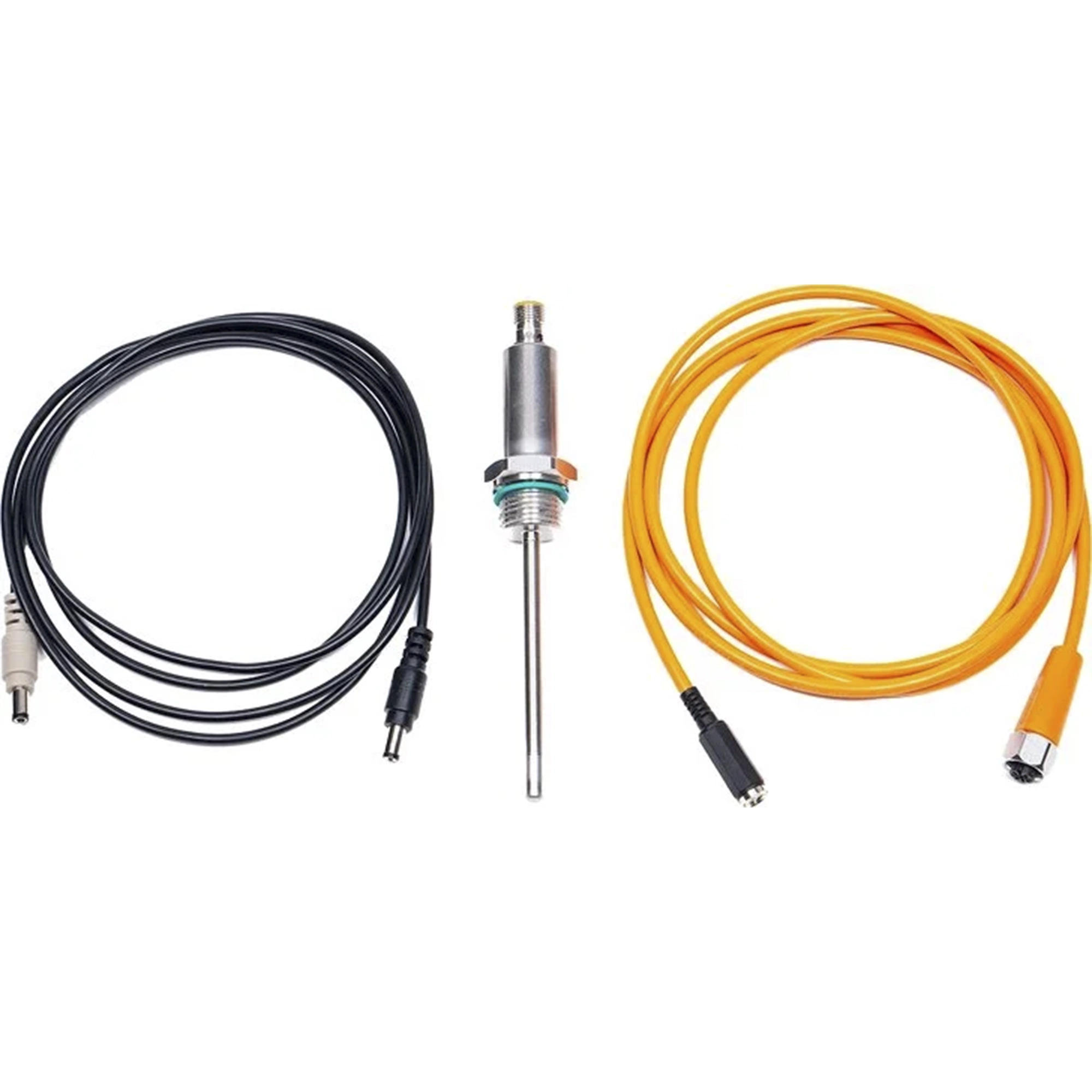
Temperature Kit
Recommended price
€530,00
Common questions about Bioreactors
What volumes of bioreactor do you offer?
BPC Instruments offers bioreactors in volumes from 2 to 20 L. Our CSTR range includes high-quality glass 2 and 5 L vessels, and 5 and 10 L vessels made of stainless steel (AISI 316), while our stainless steel UASB/EGSB and IC reactors have a volume of 20 L.
What does CSTR stand for?
CSTR stands for Continuous Stirred-Tank Reactor. CSTR bioreactors are commonly used in continuous bioprocessing, anaerobic digestion and biogas research.
What is a CSTR bioreactor?
A CSTR bioreactor is a stirred vessel designed for continuous operation, where fresh feedstock enters while reactor contents are discharged to maintain a constant working volume. Mixing helps distribute the feedstock and microorganisms throughout the vessel, while a specialised wall jacket manages critical temperature control. Connected to an external circulating water bath, this jacket allows for both efficient heating and cooling.
BPC’s CSTR bioreactors allow researchers to study anaerobic digestion and fermentation processes at laboratory scale. They can be used to evaluate feedstocks, compare operating conditions and investigate ways to improve biogas production. The vessels also support batch experiments.
What are the advantages of CSTR bioreactors?
CSTR bioreactors allow researchers to study biological processes over extended periods with controlled feeding, mixing and temperature. They are useful for investigating steady-state operation and how a process responds to changes in feedstock, organic loading or retention time.
Mixing helps maintain uniform conditions within the reactor, supporting representative sampling and comparisons between experiments.
What does UASB/EGSB stand for?
UASB reactor stands for upflow anaerobic sludge blanket reactor, and EGSB reactor stands for expanded granular sludge bed reactor. UASB/EGSB reactors are designed for high-rate anaerobic treatment processes where biomass retention is achieved through the formation of granular sludge.
How is mixing achieved in a UASB/EGSB bioreactor?
In UASB mode, mixing is primarily achieved by the upward flow of liquid and by the rising of granular sludge carried by newly formed biogas towards the surface. In EGSB mode, higher hydraulic velocities are achieved, typically through enhanced external recirculation, resulting in an expanded sludge bed and improved contact between granular sludge and substrate. This enhances mass transfer and allows operation at higher organic loading rates.
What does IC stand for?
IC reactor stands for internal circulation reactor. IC reactors are designed for high-rate anaerobic treatment applications where internal gas-driven recirculation improves mass transfer and reactor performance.
How is mixing achieved in an IC bioreactor?
Biogas produced during the anaerobic digestion process promotes internal circulation of liquid and biomass within the reactor. This circulation enhances mixing, improves mass transfer between substrate and microorganisms, and supports efficient biomass retention. As a result, the reactor enables high-rate anaerobic treatment while maintaining stable process performance.
How is temperature controlled in the bioreactors?
Our CSTR, UASB/EGSB and IC bioreactors all rely on an external circulating water bath for temperature control. The water bath moves water through the reactor’s wall jacket, allowing for both heating and cooling. The reactor contents and the jacket water never come into direct contact. Instead, heat diffuses across the jacket wall into the reactor contents, or vice versa.
In a CSTR bioreactor, mixing ensures that the reactor contents are heated homogeneously, but it does not distribute heat from the water itself.
How can we monitor processes in the bioreactors?
What parameters are monitored in CSTR, UASB/EGSB-20S or IC-20S bioreactor?
For anaerobic digestion studies, common measurements include temperature, pH, gas production and methane content. Analyses of reactor samples can also provide information on volatile fatty acid (VFA) concentrations, alkalinity and organic matter degradation.
The measurements available depend on the sensors, gas measurement equipment and laboratory methods used. Feeding rate, organic loading rate and retention time are also important when interpreting process performance.

Talk to an expert about Bioreactors
Share your application and measurement needs. Our product specialists can help you choose the right instruments and suitable accessories for your laboratory.
"*" indicates required fields