
Research in animal digestion traditionally uses in vivo techniques with live animals, but a recent study from researchers at the University of Padova highlights how BPC Instrument’s Gas Endeavour can be utilised to perform in vitro tests in the lab to study methane production and kinetics.
Understanding animal digestion, particularly the production of methane by ruminant animals, such as cows, can help to reduce global methane emissions. Diet, composition and intake levels play a role in methane emissions of ruminant animals during digestion. Currently, most research into ruminant diet is conducted using in vivo techniques, but increasing public awareness of animal welfare means alternative in vitro methods have shifted into focus.
In the article, Iqbal et al. discuss how the Gas Endeavour (GE) is an innovation in animal nutrition studies. They highlight how the GE has been successfully used to measure methane and total gas of animal feeds digesting in rumen fluid, understand the effects of feed additives on gas production kinetics and detect ruminal bioavailability.
Furthermore, they explain the practical use of GE such as common pitfalls, protocol recommendations and an exploration the effect of different parameters on final test results. The authors conclude the Gas Endeavour is a “pivotal advancement for in vitro rumen fermentation research” and holds significant potential as an instrument in the field.

Read the full paper in Animals here: Gas Endeavour: An Innovative Equipment for Estimating Methane Kinetics During In Vitro Rumen Fermentation
Animal Nutrition
Learn more about our work in animal nutrition and feed science
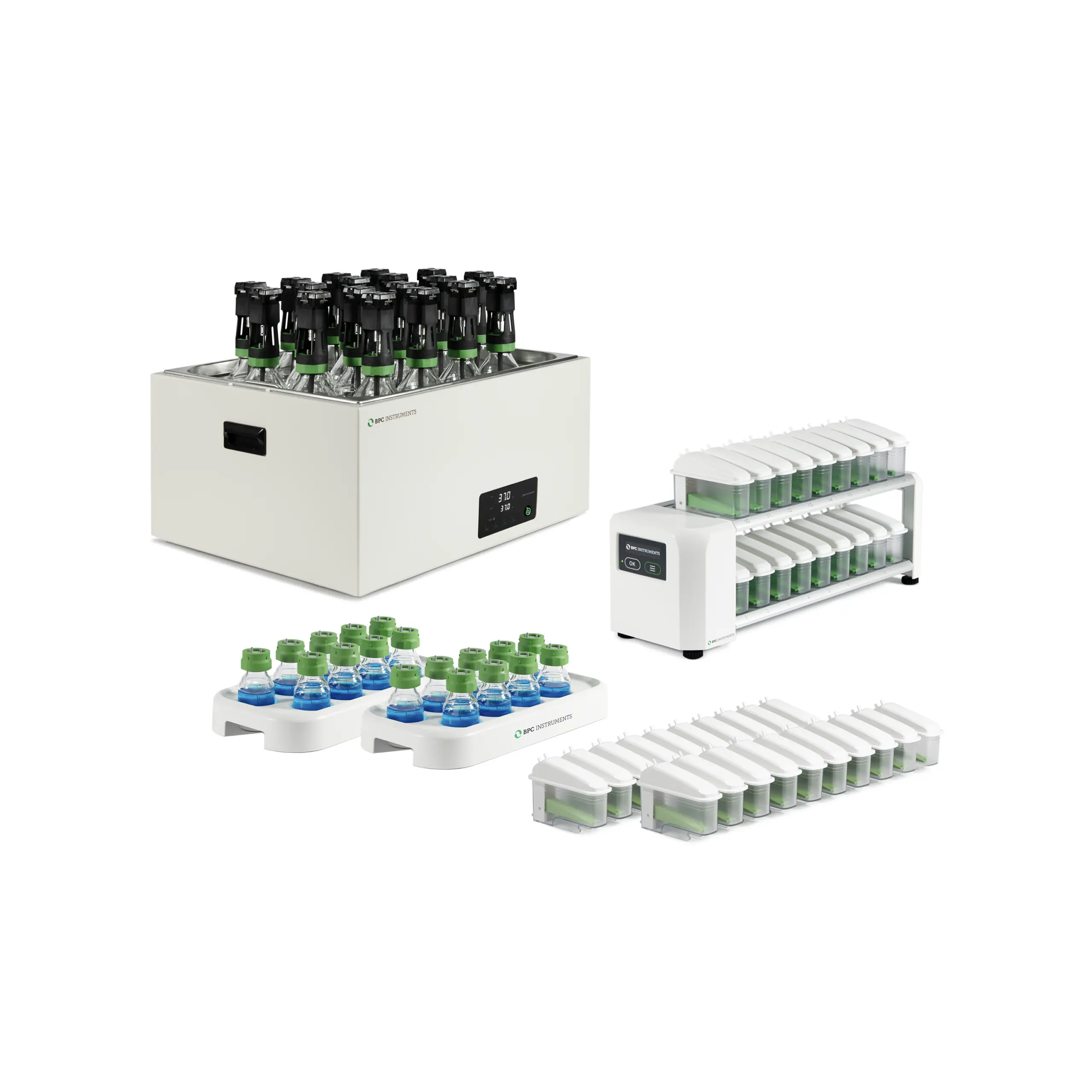
Gas Endeavour® III
Discover how Gas Endeavour III supports precise feed analysis